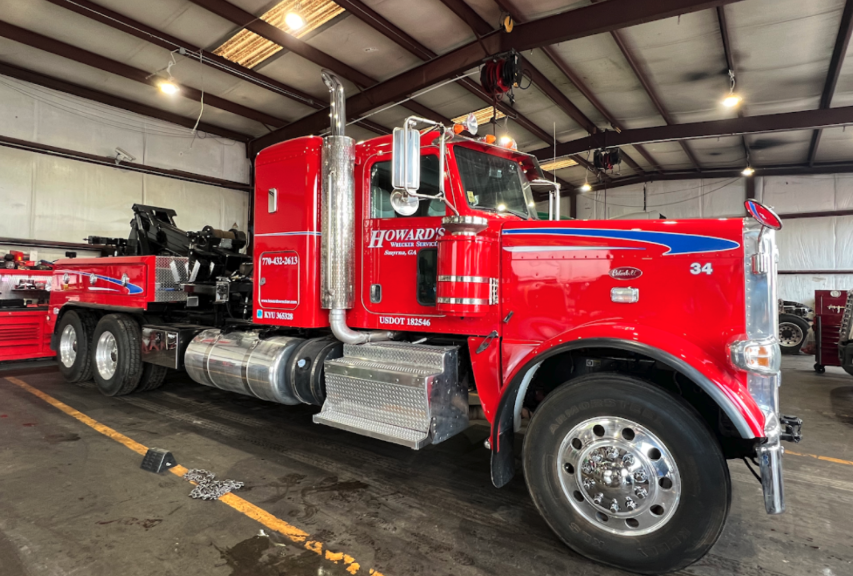
Commercial trucks are built to handle demanding workloads, but even the most dependable diesel engines experience wear over time. Knowing the common diesel engine problems in semi trucks can help owner-operators, fleet managers, and trucking companies identify issues before they lead to expensive repairs or roadside breakdowns.
Paying attention to early warning signs not only reduces repair costs but also helps keep your truck operating safely and efficiently. Whether you travel across Georgia or haul freight throughout the United States, understanding what to watch for can save valuable time and money.
Why Early Detection Matters
Diesel engines are designed for durability, but they rely on many components working together under heavy loads. Small problems often develop gradually before turning into major engine failures.
Routine inspections and preventive maintenance allow technicians to identify issues before they affect your truck’s performance. Addressing repairs early also helps prevent unexpected downtime that can delay deliveries and impact your bottom line.
Excessive Black, White, or Blue Exhaust Smoke
Changes in exhaust smoke are one of the first signs that something may be wrong.
Black smoke often indicates an improper fuel-to-air ratio. This may be caused by clogged air filters, faulty fuel injectors, turbocharger problems, or sensor issues.
White smoke can suggest coolant entering the combustion chamber or incomplete fuel combustion during startup.
Blue smoke usually points to burning engine oil, which may result from worn piston rings, valve seals, or other internal engine components.
If your exhaust color changes noticeably, it is important to schedule a professional inspection as soon as possible.
Loss of Power During Acceleration
One of the most frustrating common diesel engine problems in semi trucks is a noticeable loss of engine power.
Several issues can cause poor performance, including:
- Dirty fuel filters
- Turbocharger problems
- Fuel injector failures
- Air intake restrictions
- Sensor malfunctions
If your truck struggles to climb hills, accelerate, or maintain highway speed, do not ignore the problem. Continuing to operate with reduced engine performance can lead to additional damage.
Hard Starting or No Start Conditions
A healthy diesel engine should start consistently, even after sitting overnight.
Hard starting may indicate:
- Weak batteries
- Failing starter components
- Fuel delivery problems
- Glow plug issues
- Low fuel pressure
Repeated starting problems often become worse over time. Diagnosing the issue early helps avoid getting stranded when you least expect it.
Unusual Engine Noises
Diesel engines naturally produce more noise than gasoline engines, but new or unusual sounds should never be ignored.
Listen for:
- Knocking
- Ticking
- Grinding
- Loud hissing
- Whining from the turbocharger
These sounds may indicate internal engine wear, bearing problems, air leaks, or failing accessories. A professional diagnosis can determine the source before major damage occurs.
Engine Overheating
Overheating is one of the fastest ways to cause severe engine damage.
Common causes include:
- Coolant leaks
- Failed water pumps
- Sticking thermostats
- Clogged radiators
- Cooling fan failures
If your temperature gauge climbs above normal or warning lights appear, pull over safely and have the cooling system inspected. Continuing to drive with an overheating engine can result in costly repairs or complete engine failure.
Warning Lights Should Never Be Ignored
Modern semi trucks use sophisticated electronic control systems to monitor engine performance.
A check engine light may indicate problems involving:
- Fuel systems
- Emissions components
- Sensors
- Electrical systems
- Engine management controls
Even if your truck appears to be driving normally, diagnostic trouble codes provide valuable information that can identify developing issues before they become major failures.
Preventive Maintenance Helps Avoid Costly Repairs
Many common diesel engine problems in semi trucks can be prevented through routine maintenance.
Following your manufacturer’s maintenance schedule helps extend engine life while improving reliability.
Regular maintenance includes:
- Oil and filter changes
- Fuel filter replacement
- Cooling system inspections
- Air filter service
- Belt and hose inspections
- Fluid level checks
- Diagnostic system scans
Preventive maintenance also allows technicians to identify worn components before they fail on the road.
Keep Your Truck Running Strong
Every hour your truck spends in the repair shop is time it is not generating revenue. Recognizing the warning signs of common diesel engine problems in semi trucks allows you to address repairs early, minimize downtime, and protect your investment.
Whether you operate a single truck or manage an entire fleet, professional diagnostics and timely repairs can help keep your equipment operating at peak performance.
Call us today at 404-542-0951 to get your truck back on the road.